



Brazilian agribusiness is a global powerhouse, but its production chain still faces financial challenges that limit its growth potential. The tokenization of agricultural commodities emerges as an efficient solution to unlock value, offering a new dynamic for capital flow in the field.
It is a tool that transforms rural assets, such as crops, grains, and receivables, into agile and transparent digital financial instruments. For producers, cooperatives, and investors in the sector, this innovation represents a fundamental change. It simplifies access to resources, reduces dependence on traditional intermediaries, and creates a market with greater liquidity and efficiency.
The question now is no longer whether technology will impact the sector, but how to use it to optimize operations and ensure a competitive advantage. The answer lies in a solid infrastructure that connects the field to the capital market in a secure and regulated manner.
Agribusiness in Search of Agility: Capital Challenges in the Field
Despite its strength, agribusiness operates with long cycles and an intense need for working capital. The time between planting and harvesting, coupled with logistical complexity, creates financial bottlenecks that asset tokenization can help resolve. The modernization of financing is a mandatory step in the evolution of the agricultural sector.
Financial Bottlenecks: Why Money Is Expensive and Slow to Arrive in the Rural Sector.
Access to credit in rural areas is often a slow, bureaucratic, and financially costly process. Rural producers depend on traditional lines of credit that involve lengthy reviews and high interest rates, reflecting the risk perceived by lenders.
This difficulty in obtaining capital at the right time can compromise crop planning, the purchase of inputs, and the ability to invest in technology, which directly affects the community.
From Harvest to Table: The Complexity of Commodity Flow and Its Costs.
The journey of an agricultural commodity, from producer to end consumer, is long and complex; it involves storage, transportation, insurance, and multiple intermediaries, each adding an extra layer of cost and inefficiency to the process. The lack of an agile mechanism for trading future production or production stored in silos ties up the producer’s capital, which remains immobilized in low-liquidity physical assets.
The Key to Modernization: The Role of Agricultural Commodity Tokenization
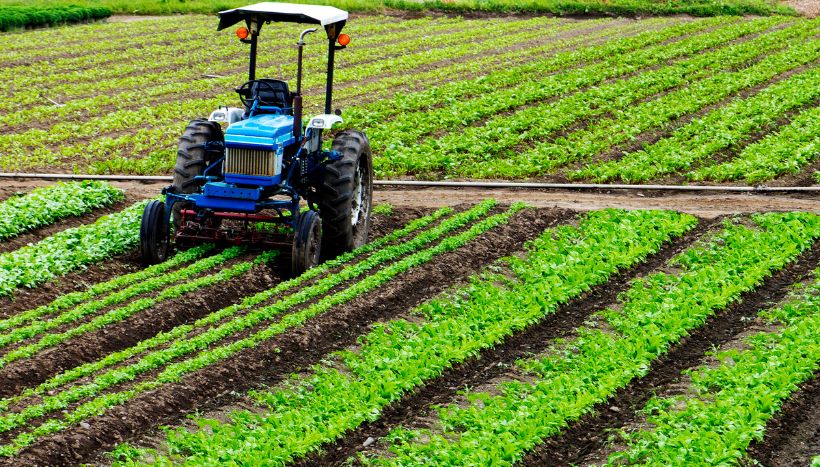
The tokenization of agricultural commodities directly addresses these bottlenecks. It allows a real, physical asset to be digitally represented by a token on a blockchain. This process transforms a previously illiquid asset into a fractionable financial asset, with transparent and auditable backing in real time.
In practice, this means that a producer can, for example, tokenize part of their future soybean crop to obtain immediate capital to cover production costs. They do not have to wait for the harvest and sale to access the funds. This is one of the facets of the revolution in the financial market that technology is bringing about, which implies the creation of a more dynamic and accessible market.
Concrete Gains: The Impact of Tokenization for Producers and Investors
The adoption of Agricultural Commodity Tokenization generates tangible benefits for all parties involved, creating a more balanced and efficient ecosystem. The product gains financial momentum, and investors gain access to a resilient asset class with new analysis tools.
For Producers: Faster and Less Bureaucratic Capital for the Harvest.
With tokenization, rural producers gain autonomy. They can structure their own fundraising operations, accessing a broader base of investors and substantially more favorable conditions. For example:
Benefits of Tokenization for Rural Producers |
|
|---|---|
| Receivables Anticipation | Tokenizes future or stored production to obtain immediate liquidity. |
| Cost Reduction | Reduces dependence on intermediaries, which reduces fees and transaction costs. |
| Agile Fundraising | The token issuance and distribution process is much faster than traditional methods. |
| Flexibility | Allows for the collection of funds tailored to the exact needs of the project, without rigid packages. |
This new form of financing allows producers to invest in technology, improve their infrastructure, and plan their growth with greater security.
For Investors: Access to a Vital Sector with Greater Transparency and Flexibility.
When we think about investors, the tokenization of agricultural commodities opens the door to one of the most important sectors of the Brazilian economy, which used to be difficult to access.
Blockchain technology adds a layer of security and transparency, allowing investors to verify the asset’s backing and track its life cycle. In addition, the possibility of buying fractions of an asset (tokens) makes investing more accessible and allows for portfolio diversification and greater strategic potential.
How Agricultural Commodity Tokenization Drives Sustainable Development
The transparency inherent in blockchain technology can also be a powerful ally of ESG (Environmental, Social Responsibility, and Corporate Governance) practices in agribusiness. The tokenization of agricultural commodities allows the origin of the product to be traced back to the farm field, ensuring that it was grown in accordance with the best environmental and social practices.
It is possible, for example, to create tokens that represent “sustainable soy credits,” linking the digital asset to certificates of compliance. This not only adds value to the product, but also attracts investors and consumer markets that demand sustainability guarantees, opening up new commercial frontiers for Brazilian agribusiness.
For all of this to work, it is essential to know how to structure a tokenization project with legal and technological security. This is where a complete tokenization infrastructure makes a difference. BLOCKBR, as a tokenization infratech for scaling businesses, provides the foundation on which agribusiness can benefit from this technology.
With our BLOCKBR white label platform, cooperatives and agribusinesses can have their own trading environment. Operations management is simplified by BLOCKBR Management, while BLOCKBR Station provides the secondary market to ensure liquidity for investors.
Conclusion
The tokenization of agricultural commodities is more than just an innovation; it is a tool for solving historical challenges in agribusiness. By optimizing capital flow, increasing transparency, and creating new investment opportunities, it strengthens the entire production chain.
For producers seeking efficiency and investors looking for solid assets, tokenization, underpinned by robust infrastructure, is the path to a more liquid, secure, and prosperous future in the field.
BLOCKBR is a Tokenization Infratech for scaling businesses. We offer complete and pioneering tokenization infrastructure that provides autonomy and transforms any company into a digital asset financial market agent to act as a digital broker. Based on the concept of end-to-end tokenization, we offer the entire embedded finance structure.
Everything is done simply, quickly, and without red tape, leaving all the regulatory and technological complexity to us.


